Sheet Metal Fabrication Laser Cutting Machine

  • San Diego

  • March 5, 2026

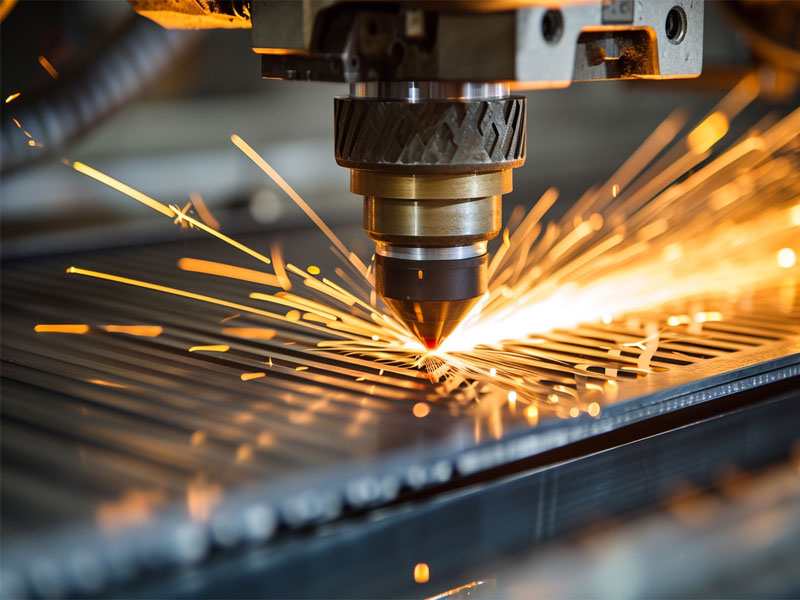
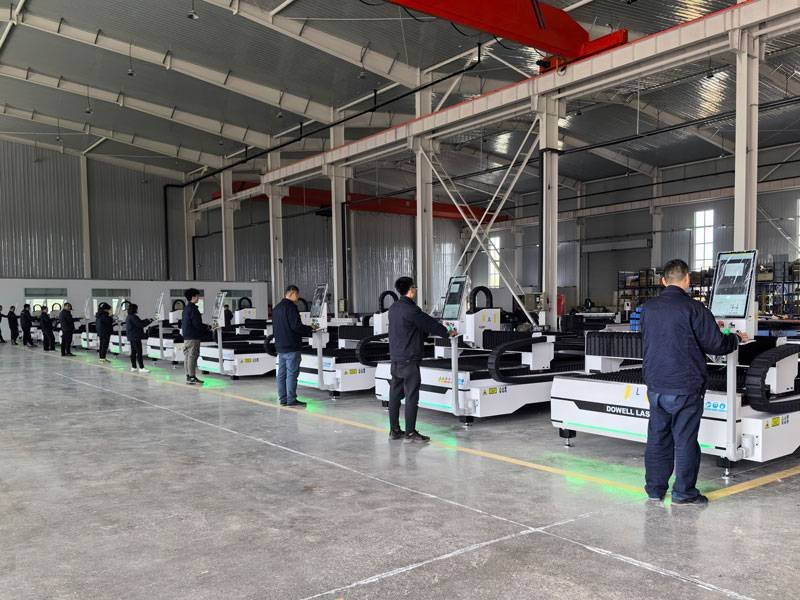
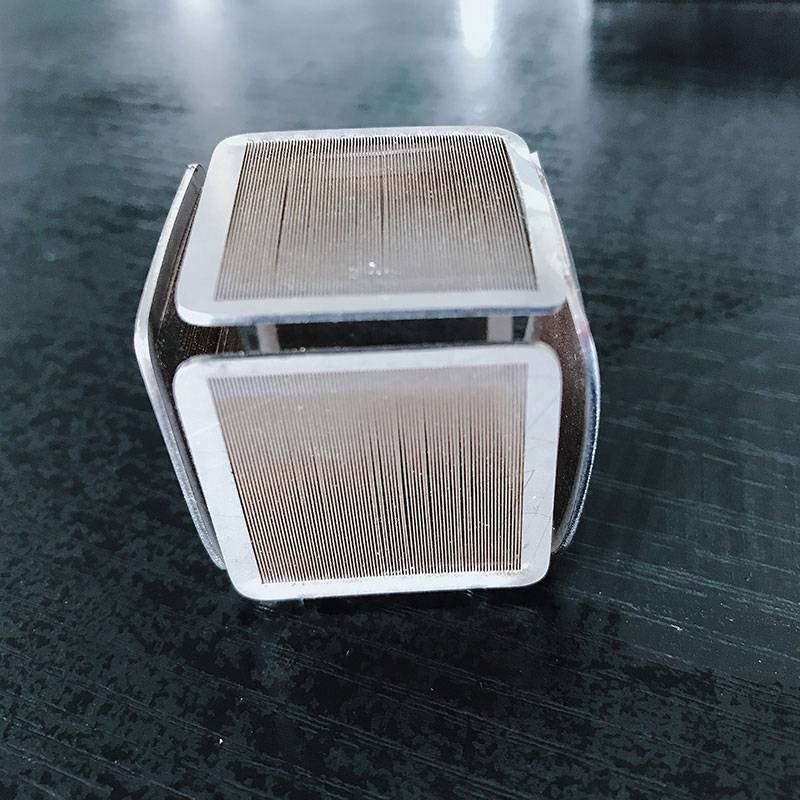
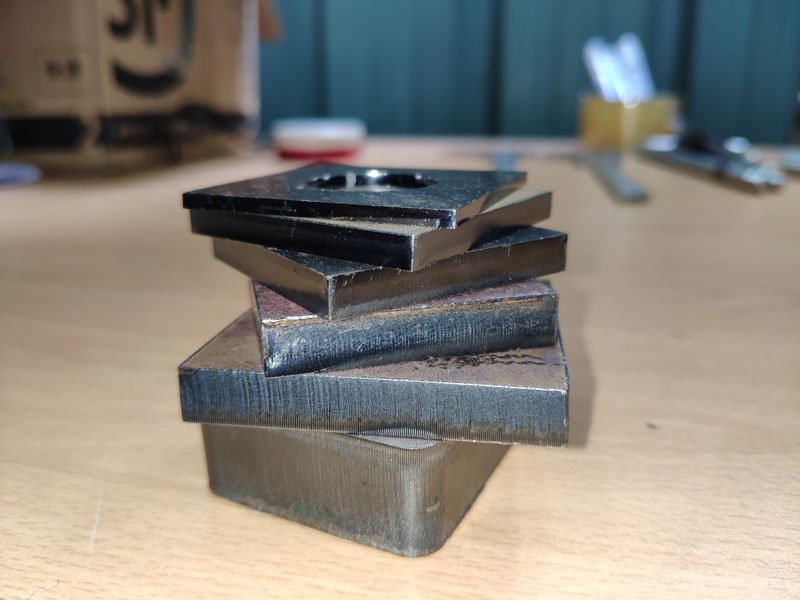
Specially designed for sheet metal processing, Dowell laser cutting machine delivers high precision, fast speed and smooth cutting edges. It adapts to carbon steel, stainless steel, aluminum and other common metal materials, perfectly meeting mass production and customized sheet metal manufacturing demands.

Basic Info about us

We are here to solve your problem and delivery your needs

Lorem ipsum dolor amet, consectetur adipiscing elit augue diam, accumsan ipsum dolor sit amet, consectetur adipiscing. Lorem ipsum dolor amet, consectetur adipiscing elit augue diam, accumsan ipsum dolor sit amet, consectetur adipiscing.


Ipsum dolor amet, consectetur adipiscing elit augue diam, accumsan ipsum dolor sit amet, consectetur adipiscing.Lorem ipsum dolor amet, consectetur adipiscing elit augue diam.

01.

WordPress Development
Ipsum dolor amet, consectetur adipiscing elit augue diam, accumsan ipsum dolor sit amet, consectetur adipiscing.Lorem ipsum dolor amet, consectetur adipiscing elit augue diam.

02.

Content Marketing
Ipsum dolor amet, consectetur adipiscing elit augue diam, accumsan ipsum dolor sit amet, consectetur adipiscing.Lorem ipsum dolor amet, consectetur adipiscing elit augue diam.

03.

Product Branding
Ipsum dolor amet, consectetur adipiscing elit augue diam, accumsan ipsum dolor sit amet, consectetur adipiscing.Lorem ipsum dolor amet, consectetur adipiscing elit augue diam.

cosa possiamo offrirti

Scopri la migliore macchina per il taglio laser dei metalli in Cina. Offrendovi le più recenti e migliori attrezzature per il taglio laser di marchi leader, come macchine per il taglio laser a fibra industriale, macchine per il taglio laser ad alta potenza, attrezzature per il taglio laser per carichi pesanti, le nostre attrezzature per il taglio laser complete vi offrono una soluzione completa per il taglio dei metalli, tra cui il miglior laser cutter entry-level per principianti, sia che tu stia cercando un'attrezzatura laser per lamiera, nelle nostre decine di attrezzature laser puoi trovare l'attrezzatura giusta.

fabbrica di macchine da taglio laser a fibra

la migliore macchina per il taglio laser della lamiera in vendita

DOWELL Laser ha 15 anni di esperienza nella produzione. Siamo in grado di fornirvi macchine da taglio laser ad alta potenza da 10 W+, macchine da taglio laser di grande formato, apparecchiature per il taglio laser di piastre d'acciaio spesse e altri prodotti, con potenza 6000 W-60 kW tra cui scegliere.

Per potere

Piccola macchina da taglio laser 1000w 2000w 3000w

Attrezzatura per il taglio laser dei metalli da 1000 W 2000 W 3000 W, adatta principalmente per il taglio di lastre sottili, con elevata precisione di taglio e velocità elevata. Il letto del tornio 3015/4015/4025/6025/8025/12025 può essere personalizzato

Macchina per il taglio laser della lamiera da 6kw 10kw 12kw

La macchina da taglio laser da 6000 watt può tagliare piastre in lega di alluminio fino a 40 mm, piastre in acciaio inossidabile fino a 50 mm e può tagliare acciaio al carbonio a una velocità di taglio superficiale brillante di 18~20 mm/s, che è il doppio della normale velocità di taglio standard.

Macchina da taglio laser a fibra ad alta potenza da 15kw 20kw 30kw

Potenza superiore a 15 kW, adatta per il taglio di lastre di acciaio spesse, adatta per la produzione navale, produzione di macchinari pesanti, taglio di precisione di lastre di acciaio con uno spessore superiore a 20 mm.

Vicino al comodino

macchina da taglio laser a tavola singola per metallo

La macchina da taglio laser singola 1000w-6000w può soddisfare le esigenze di taglio di diversi utenti, con velocità di taglio elevata, alta precisione e bellissimo modello.

Scambia la macchina da taglio laser a doppia piattaforma

Migliora l'efficienza produttiva, realizza il taglio continuo automatico, non è necessario fermare la macchina per sostituire i materiali e riduce notevolmente i tempi di lavorazione.

Macchina da taglio laser completamente chiusa

Adotta una struttura completamente chiusa per isolare efficacemente il fumo e gli odori generati durante il processo di taglio, garantendo la salute e la sicurezza degli operatori.

Tagliando forme di fogli

Macchina da taglio laser in acciaio piatto 4 x 8

Lamiera da 4 piedi x 8 piedi o 5 piedi x 10 piedi. Può tagliare rapidamente molti metalli con tagli inferiori a 25um (0,001"): leghe/carbonio/acciaio inossidabile, rame, alluminio, oro, argento, titanio.

Macchina da taglio laser fibra 3D a 5 assi

Laser 3D a 5 assi di alta qualità, alta precisione, alta efficienza, nessuna necessità di lavorazione secondaria, adatto per taglienti e fori di strutture in acciaio, pannelli di automobili, ecc.!

Macchina da taglio laser di grande formato

Le apparecchiature di taglio laser di grande formato hanno principalmente dimensioni del tavolo di 6020, 8025, 12025, 14025 e altre dimensioni ed sono del tipo a binario a pavimento, il che consente di risparmiare tempo di carico e scarico.

Video taglio lamiera laser

macchina per il taglio laser in fibra di tubi e piastre metalliche in Cina

Macchina da taglio laser per metalli CNC 3015

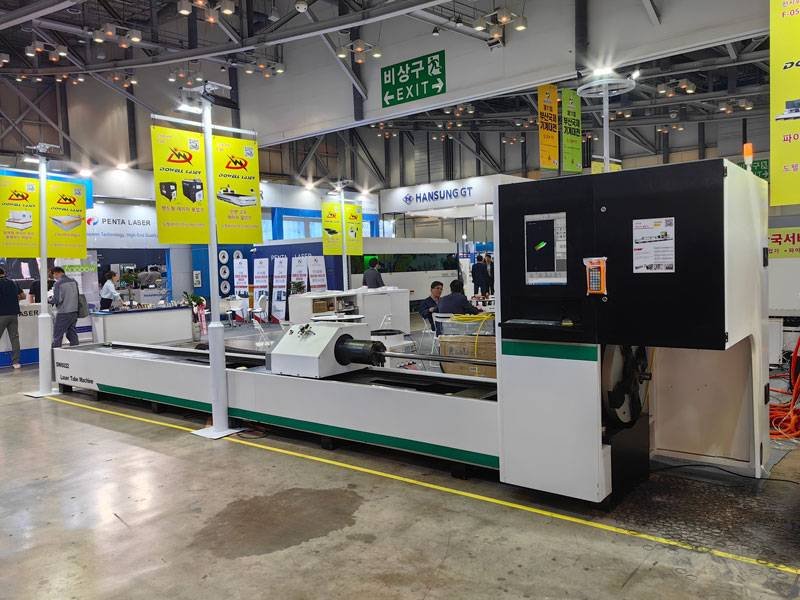
macchina da taglio laser per tubi metallici in Cina

quanto costa la macchina per il taglio dei metalli laser CNC

Il prezzo del taglio laser industriale di lamiere da 1000 W-60 kW negli stabilimenti di produzione è generalmente di circa 20.000-300.000 USD, a seconda della notorietà del marchio dell'azienda, della configurazione, della potenza di taglio, del corpo della macchina per il taglio laser, del servizio post-vendita, ecc. Maggiore è la potenza , maggiore è il prezzo delle piccole apparecchiature di taglio laser. Le macchine per il taglio laser dei metalli per uso domestico sono più economiche delle attrezzature industriali.

Se desideri conoscere il prezzo specifico della macchina per il taglio dei metalli con laser a fibra, puoi consultare la fabbrica o il fornitore di produzione e ottenere le ultime quotazioni delle macchine per il taglio dei metalli con laser CNC.

Per quale materiale è adatto il taglio laser per metalli CNC?

Le apparecchiature per il taglio laser dei metalli sono adatte per acciaio al carbonio, acciaio inossidabile, leghe di alluminio, ottone, rame, lamiera decapata, lamiera zincata, lamiera di acciaio al silicio, lamiera elettrolitica, lega di titanio, lega di manganese e altri materiali metallici. Per i materiali ad alta riflettività, come oro, argento, rame e leghe di alluminio, poiché sono anche buoni conduttori di calore, il taglio laser è difficile o addirittura impossibile.

Taglio laser lamiera

Taglio laser di tubi metallici

Applicazioni di taglio laser

Il sistema di taglio laser dei metalli può essere utilizzato per tagliare lastre, tubi e profili metallici.
Compresa la produzione di prodotti elettronici, la produzione di prodotti per la casa, la produzione di automobili, la produzione di apparecchiature mediche, la produzione di carte finanziarie, la stampa di testi, la produzione artistica, l'ingegneria edile, la produzione di macchinari e la ricerca biologica, ecc.

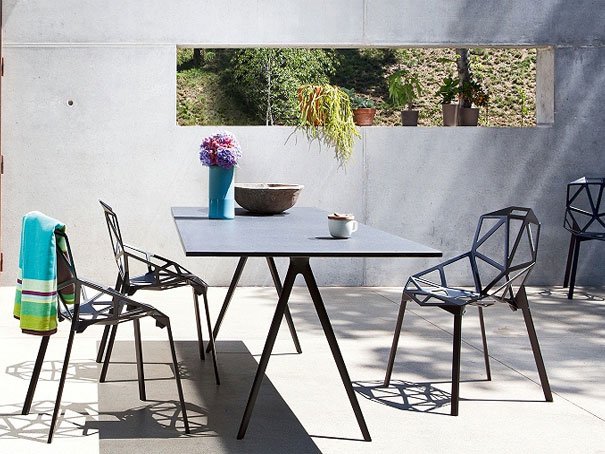
mobili in metallo

Industria dei mobili metallici

L'industria dei mobili in metallo utilizza generalmente un sistema di taglio laser da 3000w 6000w.
Nel taglio delle tavole di legno viene utilizzata CO2. La CO2 è una fibra ottica precedentemente utilizzata nel taglio laser e generalmente utilizzata nel taglio di materiali non metallici.
La macchina per il taglio laser in fibra metallica utilizzata per il taglio della lamiera presenta i vantaggi di grafica arbitraria, regolazione arbitraria di dimensioni e profondità, alta precisione, alta velocità, taglio regolare senza sbavature, composizione automatica per risparmiare materiali e nessun consumo di stampi. Può migliorare l'efficienza della lavorazione, realizzare la diversificazione e la multifunzionalità dei prodotti di arredamento e aiutare i produttori a migliorare l'efficienza produttiva e ridurre i costi.
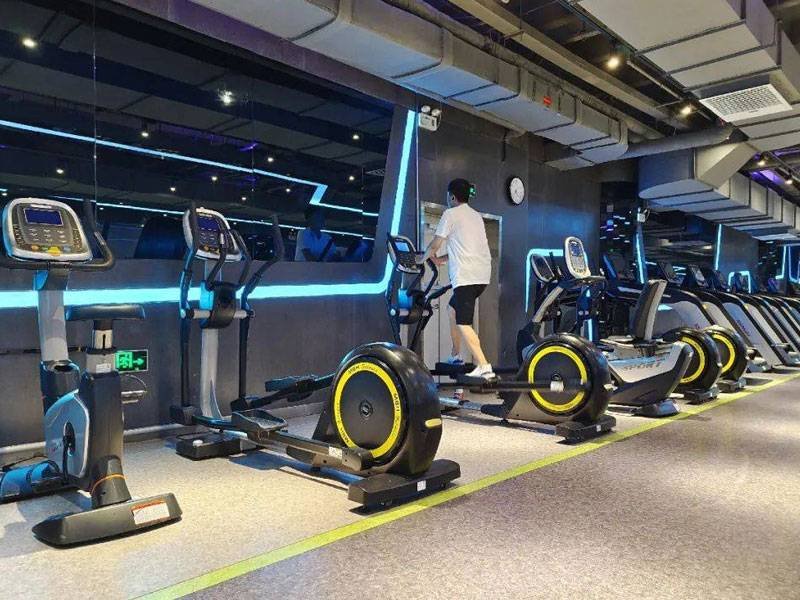
settore del fitness

settore del fitness

L'industria delle attrezzature per il fitness ha requisiti di precisione estremamente elevati per le attrezzature.

Macchine per il taglio laser dei metalli per attrezzature fitness può ritagliare con precisione varie forme complesse attraverso sistemi ottici ad alta precisione e teste di taglio ad alta velocità per garantire che la struttura e il funzionamento dell'attrezzatura siano accurati.

Le attrezzature per il fitness utilizzano una varietà di materiali, come acciaio, lega di alluminio, plastica, ecc. Le macchine da taglio laser possono tagliare in modo efficiente diversi materiali, il che non solo garantisce l'efficienza del taglio, ma tiene pienamente conto anche delle caratteristiche dei materiali, fornendo garanzia per la produzione di attrezzature per il fitness di qualità superiore.

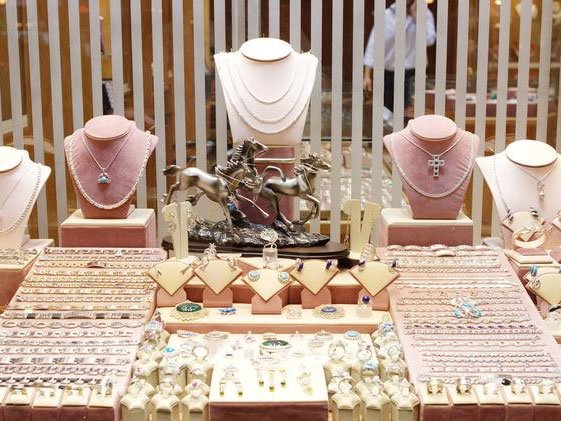
industria della gioielleria

industria della gioielleria

La tecnologia di taglio laser può tagliare materie prime come lamiere, plastica, pelle e vetro secondo i contorni progettati con una precisione fino a 0,01 mm, rendendo la produzione di gioielli più precisa.

Non è richiesto alcun contatto meccanico, riducendo così significativamente la perdita di materiale e l'usura meccanica.

industria degli utensili da cucina

industria degli utensili da cucina

I prodotti per la cucina e il bagno vengono aggiornati rapidamente e la domanda del mercato è ampia. Molti produttori utilizzano macchine per il taglio laser di metalli per utensili da cucina, che non solo hanno un'elevata velocità di lavorazione, un'elevata efficienza e un funzionamento semplice, ma possono anche completare il taglio di lastre di varie forme senza cambiare stampi o utensili da taglio. Il ciclo di tempo di preparazione viene ridotto e si risparmiano molti costi dei materiali di consumo e della manodopera.

Laser Cutting Process Parameters

The primary process parameters in laser cutting include laser power, cutting speed, cutting thickness, and gas flow rate. Other factors—such as laser beam quality, lens focal length, defocus distance, and nozzle configuration—also significantly influence the laser cutting process.

Laser power is one of the most critical parameters of a laser cutting machine; the higher the power, the faster the cutting speed and the greater the achievable cutting thickness. Generally speaking, the term “laser power” refers specifically to the output power of the laser source itself.

Regarding material properties, if a material possesses high surface reflectivity, a significant portion of the laser energy will be reflected away upon striking the surface, rather than being absorbed by the material to facilitate cutting. Consequently, to ensure that sufficient energy remains available for the cutting process, it becomes necessary to increase the laser power. Similarly, if a material exhibits high thermal conductivity, the heat generated by the laser irradiation will dissipate rapidly throughout the material’s interior; this makes it difficult for the temperature within the cutting zone to rise to the level required for effective cutting. In such instances, increasing the laser power is essential to enhance cutting efficiency. Furthermore, cutting materials with high melting points also necessitates greater laser power and power density, as these materials require a larger amount of energy to reach their melting or vaporization points—thereby achieving the desired cutting result.

Under specific power conditions, as the material thickness increases, the laser beam must penetrate deeper layers of the material to complete the cutting process. Studies indicate that the relationship between cutting speed and the surface roughness of the cut edge is not a simple linear one; rather, it exhibits a U-shaped trend. This implies that for materials of varying thicknesses—and under different cutting gas pressure conditions—there exists an optimal cutting speed. When cutting is performed at this specific speed, the surface roughness of the cut edge reaches its minimum value, resulting in the smoothest possible finish. Generally speaking, the faster the cutting speed, the greater the power required.

Cutting speed refers to the linear distance a laser cutting machine can traverse per minute; the higher the speed, the greater the operational efficiency. The cutting speed of a laser cutting machine is contingent upon factors such as the material type, thickness, and hardness, while also being influenced by parameters such as laser power and beam spot diameter.

Cutting thickness refers to the maximum thickness of material that a laser cutting machine is capable of cutting. Factors influencing cutting thickness include:
Equipment Power: Generally, the higher the power output of the equipment, the greater the thickness of the material it can cut.
Material Type: Different materials possess varying degrees of hardness, density, and toughness, all of which impact the cutting thickness.
Cutting Technology: Different cutting technologies (such as laser, waterjet, and plasma) each have their own specific maximum cutting thickness capabilities.
Cutting Process Parameters: Parameters such as cutting speed and gas pressure also play a role in determining the cutting thickness.

During the melt-cutting process, the laser beam heats the material to its melting point; at this stage, the blown gas serves to expel the molten metal, thereby forming the cut kerf. The gas pressure must be sufficiently high to effectively clear away the molten metal, thereby ensuring the continuity of the cutting process and the clarity of the cut. Gas flow rate is also correlated with the nozzle geometry; different nozzle designs exert varying influences on gas distribution and flow characteristics, and consequently, the appropriate gas flow rates will differ. When selecting a nozzle and setting the gas flow rate, it is essential to match and optimize these parameters based on specific cutting requirements and material properties.

The beam mode output by the laser is critical to the cutting result. Experimental studies have demonstrated that, during oxygen-assisted cutting, the kerf width is nearly equal to the diameter of the laser spot. The spot size is directly proportional to the focal length of the focusing lens; that is, the longer the focal length, the larger the spot, and the shorter the focal length, the smaller the spot. However, while a short-focal-length lens allows for the attainment of a smaller spot size, its depth of focus is correspondingly reduced. A shallower depth of focus implies stricter requirements regarding the distance between the workpiece surface and the lens. The defocus amount significantly impacts both cutting speed and cutting depth; therefore, it must be maintained at a constant value throughout the cutting process. Typically, a negative defocus value is selected—meaning the focal point is positioned at a specific point beneath the surface of the material being cut.

The nozzle is a critical component that influences both the quality and efficiency of laser cutting. Laser cutting typically employs coaxial nozzles (where the gas flow is concentric with the optical axis); the diameter of the nozzle outlet should be selected based on the thickness of the material being cut. Furthermore, the distance between the nozzle and the workpiece surface has a significant impact on cutting quality; to ensure a stable cutting process, this distance must be maintained at a constant value.

Basic Info about us

We are here to solve your problem and delivery your needs

Lorem ipsum dolor amet, consectetur adipiscing elit augue diam, accumsan ipsum dolor sit amet, consectetur adipiscing. Lorem ipsum dolor amet, consectetur adipiscing elit augue diam, accumsan ipsum dolor sit amet, consectetur adipiscing.


Ipsum dolor amet, consectetur adipiscing elit augue diam, accumsan ipsum dolor sit amet, consectetur adipiscing.Lorem ipsum dolor amet, consectetur adipiscing elit augue diam.

01.

WordPress Development
Ipsum dolor amet, consectetur adipiscing elit augue diam, accumsan ipsum dolor sit amet, consectetur adipiscing.Lorem ipsum dolor amet, consectetur adipiscing elit augue diam.

02.

Content Marketing
Ipsum dolor amet, consectetur adipiscing elit augue diam, accumsan ipsum dolor sit amet, consectetur adipiscing.Lorem ipsum dolor amet, consectetur adipiscing elit augue diam.

03.

Product Branding
Ipsum dolor amet, consectetur adipiscing elit augue diam, accumsan ipsum dolor sit amet, consectetur adipiscing.Lorem ipsum dolor amet, consectetur adipiscing elit augue diam.

the cost-effectiveness analysis of Laser Cutting

ProjectAir CuttingOxygen CuttingNitrogen Cutting
Optical Laser Power18.5KW18.5KW18.5KW
Water-cooling Chiller Power8.4KW8.4KW8.4KW
Air Compressor Power15KW//
Machine Host Power8KW8KW8KW
Dust Exhausting Equipment Power5.5KW5.5KW5.5KW
Consumables and Gas Consumption55.4KW40.4KW40.4KW
Power Consumption34.4KW/H25.4KW/H25.4KW/H
Total Operating Cost34.9Yuan29.9Yuan85.9Yuan

If the cutting auxiliary gas is compressed air that has been dried, the cost is the actual operating electricity cost of the air compressor+machine tool electricity+consumables (protective lenses, cutting nozzles).

Nota:

  • The electricity and gas prices listed above are for reference only, and prices may vary in different regions.、
  • The consumption of auxiliary gas may vary when cutting other thicknesses of boards. The oxygen is taken as an example of 25mm carbon steel, and the nitrogen is taken as an example of 1mm stainless steel. The values are for reference only, and customers should refer to their actual use.

FAQ

La taglierina laser per lamiera è un tipo di tecnologia laser utilizzata per tagliare accuratamente la lamiera, utilizzata principalmente nel processo di produzione industriale per tagliare lamiere o tubi.

Il principio di funzionamento del laser cutter CNC per metallo è quello di irradiare il raggio laser focalizzato sulla superficie del materiale metallico e riscaldare, sciogliere o vaporizzare il materiale metallico attraverso il calore ad alta energia del laser, ottenendo così un taglio pulito e preciso.

Le macchine da taglio laser possono essere classificate secondo diversi standard. Ecco alcuni metodi di classificazione comuni:

Secondo il tipo di laser

Le macchine da taglio laser possono essere suddivise in macchine da taglio laser a fibra, macchine da taglio laser CO2, macchine da taglio laser a semiconduttore, ecc.

Secondo il potere

Macchina da taglio laser ad alta potenza, macchina da taglio laser a media potenza, macchina da taglio laser a bassa potenza, ecc.

Tagliare il materiale 

Macchina da taglio laser per metalli e macchina da taglio laser per non metalli

Tagliare secondo la geometria della piastra

Macchina da taglio laser planare e macchina da taglio laser tridimensionale

Tagliare secondo il formato del piatto

Macchina da taglio laser di formato standard e macchina da taglio laser di formato ultra grande non standard

Secondo la struttura della macchina da taglio

Macchina da taglio laser a sbalzo, macchina da taglio laser a portale, ecc.

Dimensioni della macchina da taglio laser

Piccola macchina da taglio laser e grande macchina da taglio laser

La scelta della migliore macchina per il taglio laser in fibra dovrebbe basarsi sullo spessore della piastra di taglio, sul materiale da taglio, sulla scelta della potenza di taglio laser adeguata, sulla marca degli accessori e sui servizi post-vendita del produttore.

Il costo delle macchine per il taglio laser dei metalli può variare notevolmente in base a fattori quali la potenza e le capacità della macchina, la reputazione del marchio, le funzionalità aggiuntive e il supporto post-vendita. I laser cutter desktop entry-level possono partire da poche migliaia di dollari, mentre le macchine di livello industriale con potenza e precisione più elevate possono costare centinaia di migliaia di dollari.

I fornitori di macchine per il taglio laser dei metalli DOWELL esportano in oltre 80 paesi come Corea del Sud, Egitto, Turchia, Arabia Saudita, Russia, Filippine, Vietnam, ecc. Cerchiamo agenti in tutto il mondo e ti forniamo i prezzi di mercato più convenienti.

No, la taglierina laser per metalli CNC viene utilizzata principalmente per tagliare lamiere e tubi metallici, mentre la macchina per taglio laser CO2 per materiali non metallici viene utilizzata per tagliare legno, pelle, vetro, acrilico, ecc.

Potenza laser (W)Spessore massimo per il taglio (mm)
500wAcciaio al carbonio: 6 Acciaio inossidabile: 3 Alluminio e rame: 2
1000wAcciaio al carbonio: 10 Acciaio inossidabile: 5 Alluminio e rame: 3
2000wAcciaio al carbonio: 16 Acciaio inossidabile: 8 Alluminio e rame: 5
3000wAcciaio al carbonio: 1-22 Acciaio inossidabile: 1-25
4000wAcciaio al carbonio: 1-22 Acciaio inossidabile: 1-25
6000wAcciaio al carbonio: ~30 Acciaio inossidabile: ~20

SÌ, LASER A SPILLO ha 15 anni di esperienza nella produzione e può produrre macchine per il taglio laser dei metalli OEM, apparecchiature per il taglio laser di grande formato, macchine per il taglio laser ad alta potenza da 10.000 watt, macchine per il taglio laser di tubi, saldatrici laser, macchine per la pulizia laser e altri prodotti.

La taglierina laser in metallo ha tre gradi: alta, alta e bassa.
Alta potenza: 10kw 12kw 15kw 20kw 30kw 60kw
Potenza media: 6000w 8000w
Bassa potenza: 1000 W 1500 W 2000 W 3000 W

Con il rapido sviluppo della tecnologia laser, emergeranno dispositivi ad alta potenza.

Modulo di domanda

When Saying Limitless Customizability

Laser Processing Equipment Procurement Guide

Say goodbye to theoretical discussions and learn practical steps to guide you through the entire laser equipment procurement process, from initial selection and on-site testing to later operation, ensuring that every decision is based on sound reasoning.

3 Steps Before Select

Three steps to ensure a successful laser equipment selection process: ① Determine the appropriate power based on the thickness of the sheet material being processed, avoiding the false requirement of “one-step solution”; ② Calculate the total lifecycle cost, confirming the unit price of vulnerable parts and maintenance costs, avoiding the high maintenance trap of low-priced OEM equipment; ③ Check the equipment’s compatibility and upgrade potential, ensuring support for CAD/CAM formats, integration with MES systems, and suitability for the company’s future production needs.

Strict On-site Testing

Dowell Laser have a dual system to control equipment quality: ① Check the power report and the brand and model of core components, and scan the code to verify that they are brand new original products; ② Process thick/complex plates continuously for 30 minutes to check the cross-section and weld quality, and run them idle for 10 minutes to check the operational stability; ③ Take the measured samples back to the workshop for trial processing to confirm compatibility with subsequent processes. Only when all indicators meet the standards will we finalize the cooperation.

Standardized Operations

The key points to implement are: ① Perform standardized maintenance on a daily/weekly/monthly/yearly basis, focusing on checking protective lenses, chillers, and optical path coaxiality, and regularly testing laser power; ② Master the four major high-frequency fault self-troubleshooting methods, and quickly resolve issues such as power attenuation, backlight alarms, and equipment not emitting light on-site, significantly reducing downtime; ③ Keep good daily operation records, promptly identify potential equipment problems, and ensure continuous and efficient production line operation.

elementor media wheel widget.png

Scientific selection enables cost reduction at both the procurement and production stages.

Scientific selection is key to cost reduction; avoid blind decision-making: precisely match laser power to processing requirements to avoid wasting procurement funds due to over-performance; prioritize equipment with core components from leading brands, although the initial cost may be slightly higher, the failure rate is lower and consumables are more universal, significantly reducing maintenance and downtime costs. Through full life-cycle cost accounting, avoid the hidden cost traps of low-priced equipment, ensuring that every penny of procurement funds is transformed into production benefits.

Avoid pitfalls to ensure stable, efficient equipment production operations.

Equipment stability is the core of production efficiency, and accurately avoiding pitfalls is key: Avoid the traps of “peak power” and “under-configured core components” to ensure equipment can operate stably at full load for extended periods, minimizing downtime losses; conduct on-site testing to ensure equipment matches processing requirements, avoiding increased costs due to product rework and higher scrap rates. Selecting high-quality, stable laser equipment can double production line efficiency, helping companies seize market opportunities.

elementor media wheel widget.png

Standardized operation and maintenance can extend equipment life and maximize investment value.

Laser equipment is a core production asset, and standardized operation and maintenance maximizes investment value: performing daily maintenance according to standardized procedures effectively extends the service life of equipment by more than 3 years and reduces the cost of equipment upgrades; mastering independent and rapid troubleshooting methods shortens downtime and ensures on-time order delivery; confirming the upgrade potential of equipment during procurement ensures that the equipment adapts to the company’s capacity expansion needs without the need for complete machine replacement, maximizing the value of equipment investment.

Still worried about the difficulty of selecting laser equipment, fear of being ripped off, and high costs? This procurement pitfall avoidance guide, created by Dowell Laser with nearly 10 years of industry experience, breaks down 10 fatal procurement risks, standardizes maintenance processes, and covers core contract clauses. It teaches you step-by-step how to avoid selection traps and protect your company’s production efficiency. Download it for free now!

Consult Dowell Laser Machine & Solution Experts

Looking for a profitable laser processing machine to start & grow your business? Dowell Laser helps you avoid the pitfalls of delivering the quality and value your metal prcessing automation solution needs, on-time and on-budget.
Modulo di domanda

Contattaci per un preventivo

Se desideri saperne di più sulle apparecchiature laser, puoi contattare direttamente DOWELL LASER e ti forniremo una soluzione completa di apparecchiature laser in base al tuo design e alle tue esigenze personalizzate.

Macchina da taglio laser a fibra 3015
servizio laser tubo